










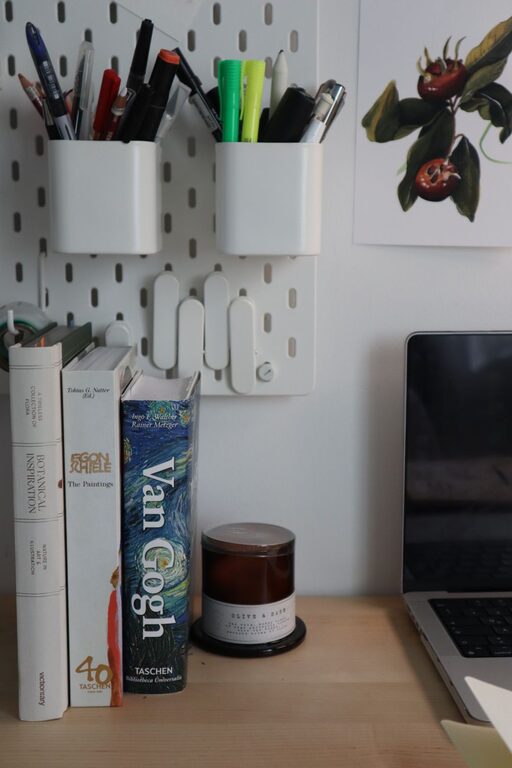
Managing paper clutter in the home can feel overwhelming. Bills, receipts, mail, school papers, and miscellaneous documents seem to multiply overnight. However, with simple habits and smart systems, you can reduce paper clutter and maintain a more organized space. This post covers practical steps to help you reclaim your home from piles of paper.
Why Reduce Paper Clutter?
Paper clutter doesn’t only take up physical space but can also create mental stress. It makes it difficult to find important documents when you need them and can even waste time and money. Reducing paper clutter helps you:
– Create a cleaner, more peaceful environment
– Improve productivity by knowing where things are
– Protect important documents better
– Reduce unnecessary waste
Start With a Paper Audit
Before you organize, take a few minutes to assess what types of paper come into your home regularly. Common categories include:
– Mail (bills, advertisements, personal letters)
– School or work papers
– Receipts and warranties
– Medical and insurance documents
– Manuals and instruction booklets
Knowing what you receive most helps you create a tailored system to manage or reduce those papers.
Set Up a Simple Sorting Station
Designate one area in your home, such as a small table or counter spot near the entry, as your paper sorting station. Keep these items handy:
– A few labeled trays or baskets for categories like “To File,” “To Pay,” “To Read,” and “To Shred”
– A shredder for sensitive documents you no longer need
– A recycling bin for junk mail and unwanted papers
This makes it easy to deal with paper right away instead of letting it pile up elsewhere.
Go Digital When Possible
Digitizing your documents greatly reduces physical paper piles. Here’s how:
– Scan important papers with a smartphone app or scanner and store them securely on your computer/cloud
– Opt for electronic bills, statements, and subscriptions to receive them by email
– Use apps for note-taking, receipts, and lists instead of paper notebooks
Make sure you have a simple, organized digital filing system and back up important files regularly.
Create a Filing System for Important Documents
Some paperwork needs to be kept for legal or personal reasons. Use a sturdy file box or cabinet and:
– Sort papers by categories such as “Taxes,” “Medical,” “Home,” and “Personal”
– Label folders clearly
– File documents as soon as possible, ideally the same day you handle them
– Schedule regular reviews (every 3–6 months) to discard what’s no longer needed
This reduces pile-ups and prevents you from losing important papers.
Establish a Mail Routine
Mail can be a major source of clutter. To keep it under control:
– Sort mail immediately when you bring it inside
– Recycle junk mail right away
– Pay bills promptly or set up automatic payments
– Open and deal with letters and invitations within 24 hours
A habit of handling mail daily reduces build-up significantly.
Use Receipts and Warranties Wisely
Receipts and product warranties can accumulate quickly. Manage them by:
– Keeping only receipts needed for returns, warranties, or tax purposes
– Digitizing receipts with a scanning app and discarding paper copies
– Using dedicated envelopes or small folders labeled by year or category to store important receipts
Regularly review and remove expired warranties or unnecessary receipts.
Encourage Family Participation
Paper clutter often involves the whole household, so get everyone involved:
– Teach children to manage their school papers by sorting and recycling regularly
– Create shared spaces for incoming mail and documents
– Set household rules for paper paperwork, such as no leaving papers on counters
Team effort makes it easier to maintain a clutter-free home.
Recycle and Shred Regularly
Paper recycling prevents unnecessary waste, and shredding protects your personal information. Set up a regular schedule:
– Empty recycling bins weekly
– Shred outdated bank statements, medical bills, and personal documents
– Use paper scraps for notes or crafts when possible
Proper disposal is the final step to a paper clutter-free home.
Maintain With Simple Habits
Keeping paper clutter under control is an ongoing process. Some everyday habits to maintain success:
– Handle paper as soon as it enters your home
– Review filing boxes and digital files quarterly
– Keep your sorting station tidy
– Resist printing documents unnecessarily
Consistency is key to making paper clutter a thing of the past.
—
By implementing these simple strategies, you can significantly reduce paper clutter in your household. Not only will your home feel tidier, but you’ll also enjoy the peace of mind that comes with organized, manageable paperwork. Start small today and notice the difference!